
One Pause Turns A into Two Letters
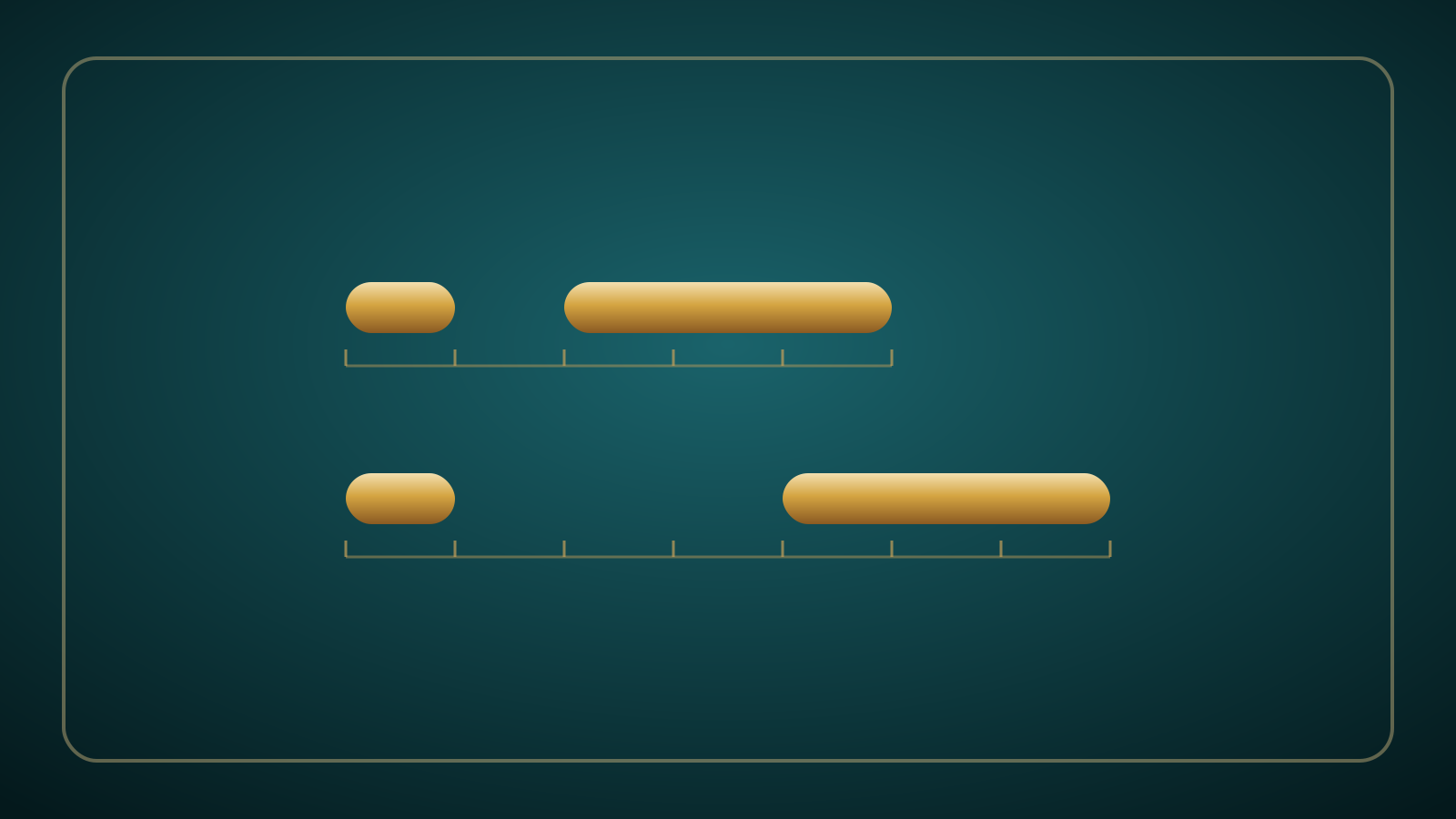
Write .- on a piece of paper. Now write . - underneath it. Both lines contain one dot and one dash, but the first reads A and the second reads E T. The extra space changes what the listener hears.
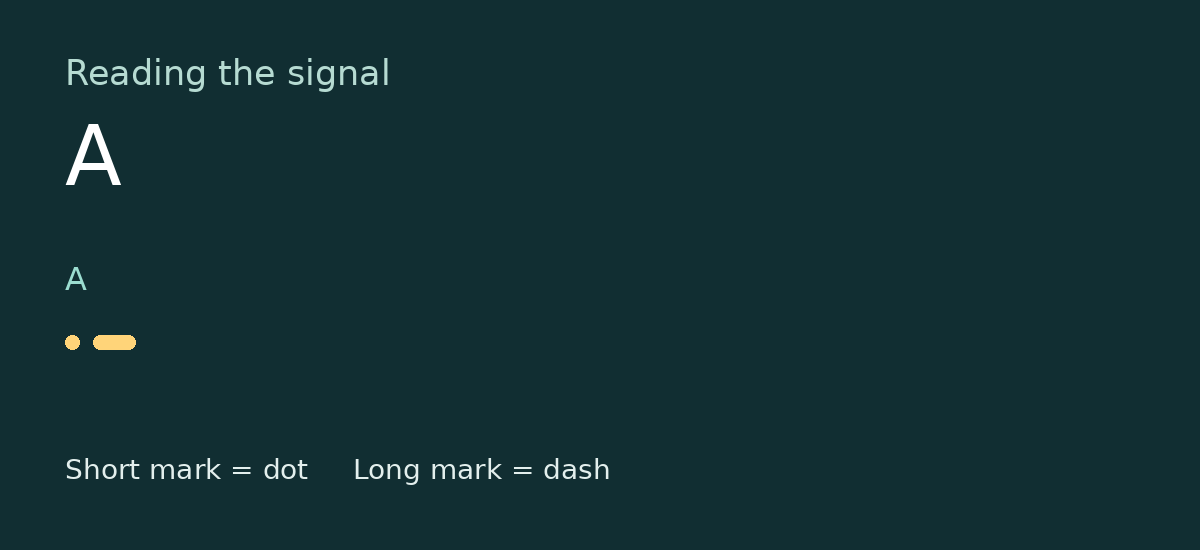
Listen to the gap
Play A in the translator, then enter ET and play it at the same speed. In A, the silence between the two sounds lasts one dot unit. In ET, the silence lasts three. The dash stays three units long in both recordings. Listen for the moment you feel the first letter has finished.
Try it in reverse
Decode .., then . .. The first is I. The second is EE. A string of marks without reliable boundaries can have several readings. When transcribing by ear, mark each letter boundary as you hear it. Waiting until the end of the word makes a short silence surprisingly easy to forget.
On this site the alphabet guide is the reference for the three gaps: one unit inside a letter, three units between letters, and seven units between words. A space in Morse input is the letter gap. A slash is the word gap.